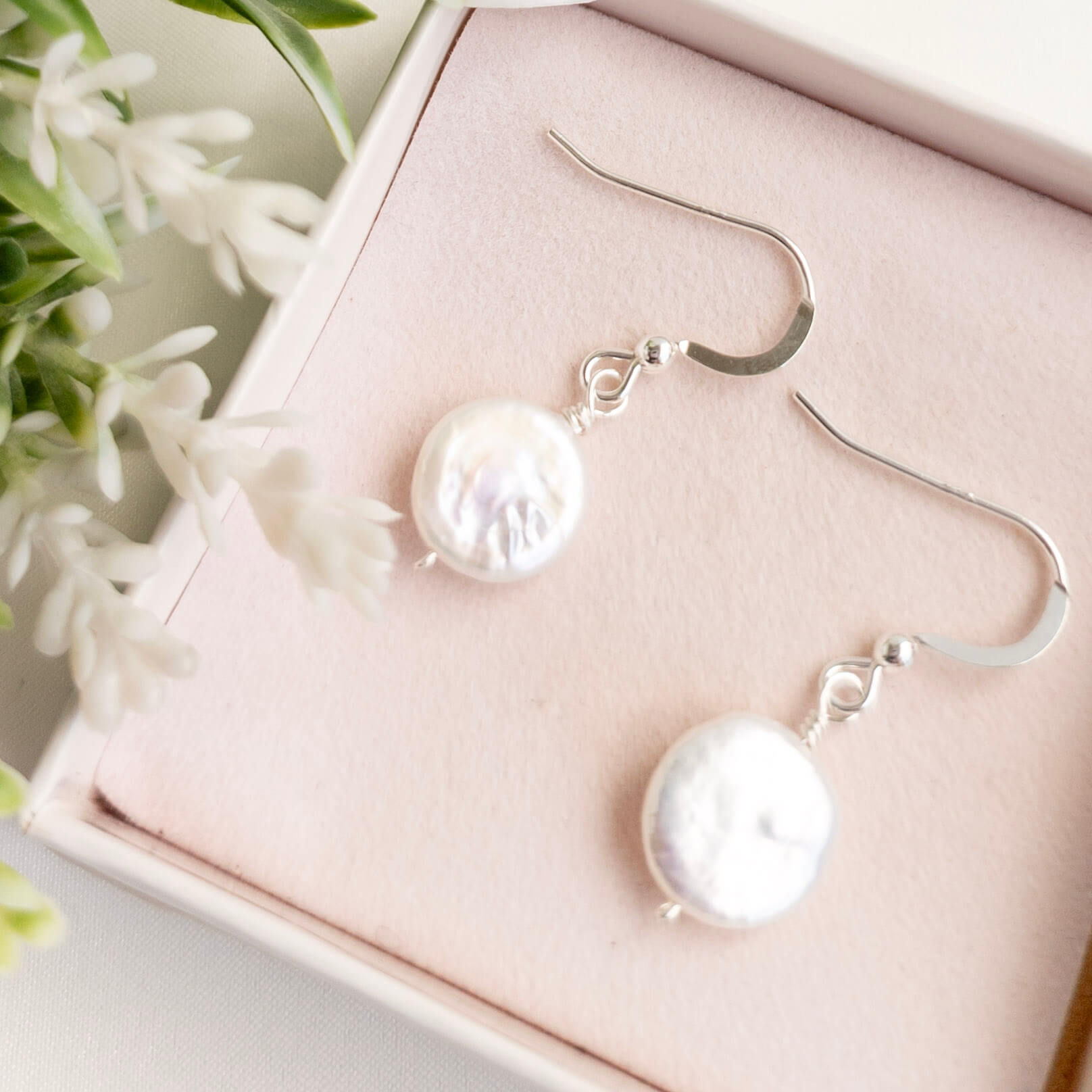


Freshwater vs Saltwater Pearls: What’s the Difference?
When choosing pearl jewellery, one of the most common questions is: what’s the difference between freshwater and saltwater pearls?
If you’ve been browsing pearl necklaces, earrings or bracelets, you may have seen both terms used — but not always explained clearly.
At Watermeadow Lane Jewellery, I specialise in handmade freshwater pearl jewellery, and in this guide I’ll walk you through everything you need to know. From how pearls are formed to how they look, feel and wear, understanding the difference will help you choose the right pearl jewellery for you or as a meaningful gift.
Table of contents
What Are Pearls and How Are They Formed?
Before comparing freshwater and saltwater pearls, it helps to understand what a pearl actually is.
Pearls are organic gemstones formed inside a mollusc (such as an oyster or mussel). When a small irritant enters the shell, the mollusc protects itself by coating it in layers of nacre — a smooth, lustrous substance.
Over time, these layers build up to form a pearl.
Unlike other gemstones, pearls do not need to be cut or polished — their beauty is created naturally, which I always think is just amazing!
This natural formation is what gives pearls their soft glow and makes each one completely unique.
What Are Freshwater Pearls?
Freshwater pearls are grown in lakes and rivers, primarily in freshwater mussels.
They are the most commonly used pearls in modern jewellery — and for good reason.
At Watermeadow Lane, all of my designs are created using genuine freshwater pearls, carefully selected for their quality, beauty and versatility.
Why Freshwater Pearls Are So Popular
Freshwater pearls offer:
a soft, natural lustre
a wide range of shapes and sizes
excellent durability for everyday wear
more accessible pricing compared to saltwater pearls
Because they are grown in different conditions to saltwater pearls, freshwater pearls often have slightly more organic shapes, which adds to their charm and individuality. One of the most popular freshwater pearl shapes are the baroque pearl with its round but irregular shape and the Keshi pearl which has a very high lustre and irregular shapes that customers love.
This makes them perfect for handmade jewellery, where each piece feels unique and personal.
Explore our freshwater pearl necklaces designed for both everyday wear and special occasions.
What Are Saltwater Pearls?
Saltwater pearls are grown in oceans and seas, typically inside oysters.
Some well-known types of saltwater pearls include:
Akoya pearls
Tahitian pearls
South Sea pearls
These pearls are often known for their:
highly round shapes
strong, mirror-like lustre
more traditional “classic pearl” appearance
However, saltwater pearls are usually rarer and more expensive, which makes them less commonly used in everyday jewellery.
Freshwater vs Saltwater Pearls: The Key Differences
Now let’s break down the main differences in a simple and practical way.
1. Appearance and Shape
Freshwater pearls often have:
slightly irregular or organic shapes (baroque, keshi, rice, seed, coin, petal)
a soft, romantic glow (whats not to love!)
Saltwater pearls are more likely to be:
perfectly round
highly uniform
For many people, the natural variation in freshwater pearls actually feels more modern and wearable. You can also be more free in designs and make jewellery with a boho feel or a petal style necklace or keep it contemporary with rice shaped pearl choker.
2. Lustre
Lustre refers to how light reflects from the surface of the pearl.
Saltwater pearls are known for a sharper, more reflective shine.
Freshwater pearls have a softer, more subtle glow — which many people find more flattering and versatile for everyday jewellery.
3. Price and Accessibility
One of the biggest differences is price.
Saltwater pearls are typically more expensive due to:
lower production rates
more intensive farming processes
Freshwater pearls are more accessible, which allows you to enjoy beautiful, genuine pearl jewellery without the high price tag.
This is why they are perfect for:
everyday pearl pieces
4. Durability
Freshwater pearls tend to have thicker nacre layers, which can make them:
more durable
better suited for regular wear
This is ideal for jewellery you want to enjoy often, such as:
pearl bracelets
pearl necklaces
pearl earrings
Discover our freshwater pearl bracelets, designed to be both elegant and wearable.
5. Style and Versatility
Freshwater pearls are incredibly versatile.
They work beautifully in:
minimalist jewellery
contemporary designs
bridal jewellery
everyday pieces
Their soft tones pair effortlessly with different outfits, making them a go-to choice for women who want jewellery that is both elegant and easy to wear.
Why I Choose Freshwater Pearls for Watermeadow Lane Jewellery
When I first learned how to make jewellery, my teacher used very high quality glass pearls which were perfectly uniform and round in shape. They make beautiful pieces and I have continued to use them in some of my designs. Then when I set up my business and began designing jewellery, I quickly realised how special freshwater pearls are and was drawn to their unique shapes, which I soon realised, my customers loved them too.
They offer the perfect balance of:
beauty
quality
versatility
affordability
uniqueness
Most importantly, they allow me to create jewellery that feels:
- timeless
- wearable
- meaningful
Every piece of jewellery I make is designed to be worn and enjoyed — not just saved for special occasions.
Freshwater pearls make that possible.
Their natural tones complement everyday outfits just as beautifully as they do wedding dresses, making them ideal for both wedding day jewellery and everyday elegance.
Browse our handmade pearl jewellery collection to find pieces designed with genuine freshwater pearls.
Are Freshwater Pearls Real Pearls?
Yes — this is one of the most common questions I’m asked.
Freshwater pearls are 100% real pearls.
They are formed naturally inside freshwater mussels, just like saltwater pearls are formed inside oysters.
The difference is simply where they are grown, not whether they are real.
If you’re ever unsure, you can read my guide on how to tell if pearls are real, which explains simple ways to check authenticity.
Which Type of Pearl Should You Choose?
For most people, freshwater pearls are the ideal choice.
They are perfect if you are looking for:
elegant jewellery you can wear regularly
a meaningful gift for someone special
bridal jewellery that feels soft and romantic
high-quality pearls at an accessible price
Saltwater pearls may appeal if you are specifically looking for:
perfectly round pearls
traditional, classic styles
high-end pieces
But for everyday wear and modern jewellery design, freshwater pearls are often the preferred option.
Caring for Freshwater Pearl Jewellery
No matter which pearls you choose, proper care is important.
Freshwater pearls are durable, but they are still organic gemstones.
To keep them looking their best:
avoid contact with perfume or hairspray
wipe them gently after wearing
store them flat in a soft pouch
avoid prolonged exposure to water
Over time, pearl necklaces and bracelets may need restringing to maintain their strength and movement.
At Watermeadow Lane, I offer a pearl restringing service to restore and refresh your jewellery when needed.
Final Thoughts
Understanding the difference between freshwater and saltwater pearls helps you make a more confident and informed choice.
While both types of pearls are beautiful, freshwater pearls offer a unique combination of:
natural elegance
everyday wearability
excellent value
At Watermeadow Lane Jewellery, I choose to work with freshwater pearls because they allow me to create pieces that feel timeless, personal and easy to wear — whether you’re dressing up for a wedding or simply adding a touch of elegance to your everyday style. They also offer the customer a good price point for gifts or their own bridal jewellery. By also offering the pearl restringing & redesign service, means pearls can be worn again and again for years to come.
FAQs About Freshwater vs Saltwater Pearls
Are freshwater pearls better than saltwater pearls?
Neither is “better” — it depends on what you are looking for. Freshwater pearls are more versatile and affordable, while saltwater pearls are often more uniform and higher priced.
Do freshwater pearls last as long as saltwater pearls?
Yes, with proper care, freshwater pearls can last for many years. Their thicker nacre can even make them more durable for everyday wear.
Are freshwater pearls suitable for weddings?
Absolutely. Freshwater pearls are a popular choice for bridal jewellery because of their soft, romantic appearance. We have lots of bridal pearl jewellery available on our website or you can request a bespoke piece to be made just for you.
Can you tell the difference between freshwater and saltwater pearls?
To the untrained eye, it can be difficult. Differences are usually seen in shape, lustre and price rather than obvious visual markers.
Why are freshwater pearls more affordable?
Freshwater pearls are more widely produced, which makes them more accessible in price while still being genuine pearls.