
How Often Should Pearls Be Restrung? A Complete Pearl Care Guide
|
|
Time to read 6 min
|
|
Time to read 6 min
Pearl jewellery is designed to be treasured for years, often becoming one of the most sentimental and meaningful pieces in a jewellery collection. Whether it is a classic pearl necklace passed down through generations or a freshwater pearl bracelet worn every day, pearls require gentle care to keep them looking their best.
One of the most important parts of caring for pearl jewellery is knowing when it needs restringing.
At Watermeadow Lane Jewellery, I’m often asked:
The good news is that pearl restringing can completely refresh and revive pearl jewellery, helping it remain beautiful and wearable for many more years.
In this guide, I’ll explain how often pearls should be restrung, the warning signs to look for, and how professional pearl restringing can protect sentimental jewellery for the future.
Table of contents
Unlike metal chains, pearl necklaces and bracelets are traditionally threaded onto silk or specialist jewellery thread. The reason thie material is used is so that knots can be made between the pearls. The knots between pearls are there to
Over time, this thread naturally weakens through:
Even the highest quality pearl jewellery will eventually need restringing.
This is completely normal and an important part of pearl jewellery care.
If restringing is ignored for too long, the thread can weaken enough to snap unexpectedly, potentially causing pearls to become lost or damaged.
This is why regular maintenance is so important — especially for jewellery that is worn frequently or holds sentimental value.
Read our guide on Jewellery Care – Pearls for more pearl care tips
As a general rule, pearl necklaces and bracelets should usually be restrung:
if worn regularly
Or:
if worn only occasionally.
However, the exact timing depends on:
For example, a pearl bracelet worn daily may need restringing sooner than a necklace worn only for special occasions.
At Watermeadow Lane, I always recommend checking pearl jewellery regularly for signs of wear rather than waiting for the thread to break.
Preventative restringing is always safer than repairing pearls after they have snapped or become lost.
Many people are unsure how to tell when their pearls need attention.
There are several common warning signs to look out for.
If you can see visible gaps between the pearls, the thread may have stretched over time.
Pearls should sit neatly together without large spaces between them.
Over time, silk thread can absorb:
If the thread appears yellowed, grey or worn, it may be time for restringing.
One of the most common places for thread damage is near the clasp.
If you notice:
your pearls should be restrung as soon as possible.
Pearls should feel secure and evenly spaced.
If they move excessively or feel uneven, the thread may have weakened.
If your pearls are:
it is always worth having them checked before wearing them regularly.
Many customers come to me with treasured pearl jewellery connected to family memories and important milestones. Professional restringing helps preserve these meaningful pieces safely.
Learn more about our professional pearl restringing service.
Many people are surprised by how much care and craftsmanship goes into pearl restringing.
At Watermeadow Lane Jewellery, pearl restringing is completed carefully by hand to ensure your jewellery remains secure, wearable and beautiful.
The process may include:
Knotted pearl necklaces are especially important because knots help:
Each piece is treated with care and attention, especially when it holds sentimental value. It is something I love to do.
Pearls are delicate gemstones and require specialist handling.
Professional restringing helps ensure:
✔ correct tension
✔ secure knotting
✔ proper thread quality
✔ protection for pearls
Poorly restrung pearls may:
At Watermeadow Lane, I understand that pearl jewellery is often deeply personal. Many pieces I restring have emotional connections to:
Restoring these pieces and helping customers wear them again is one of the most rewarding parts of my work.
Yes — in many cases, older pearl jewellery can be beautifully restored.
Customers are often surprised by how refreshed pearls can look after:
Sometimes jewellery that has been sitting unworn for years simply needs professional restringing to become wearable again.
At Watermeadow Lane, I regularly work with:
Helping customers bring meaningful jewellery back to life is something I really enjoy doing.
Good pearl care can help prolong the life of your jewellery between restringing appointments.
To keep freshwater pearl jewellery looking beautiful:
Freshwater pearls are durable, but because they are organic gemstones, they benefit from gentle care.
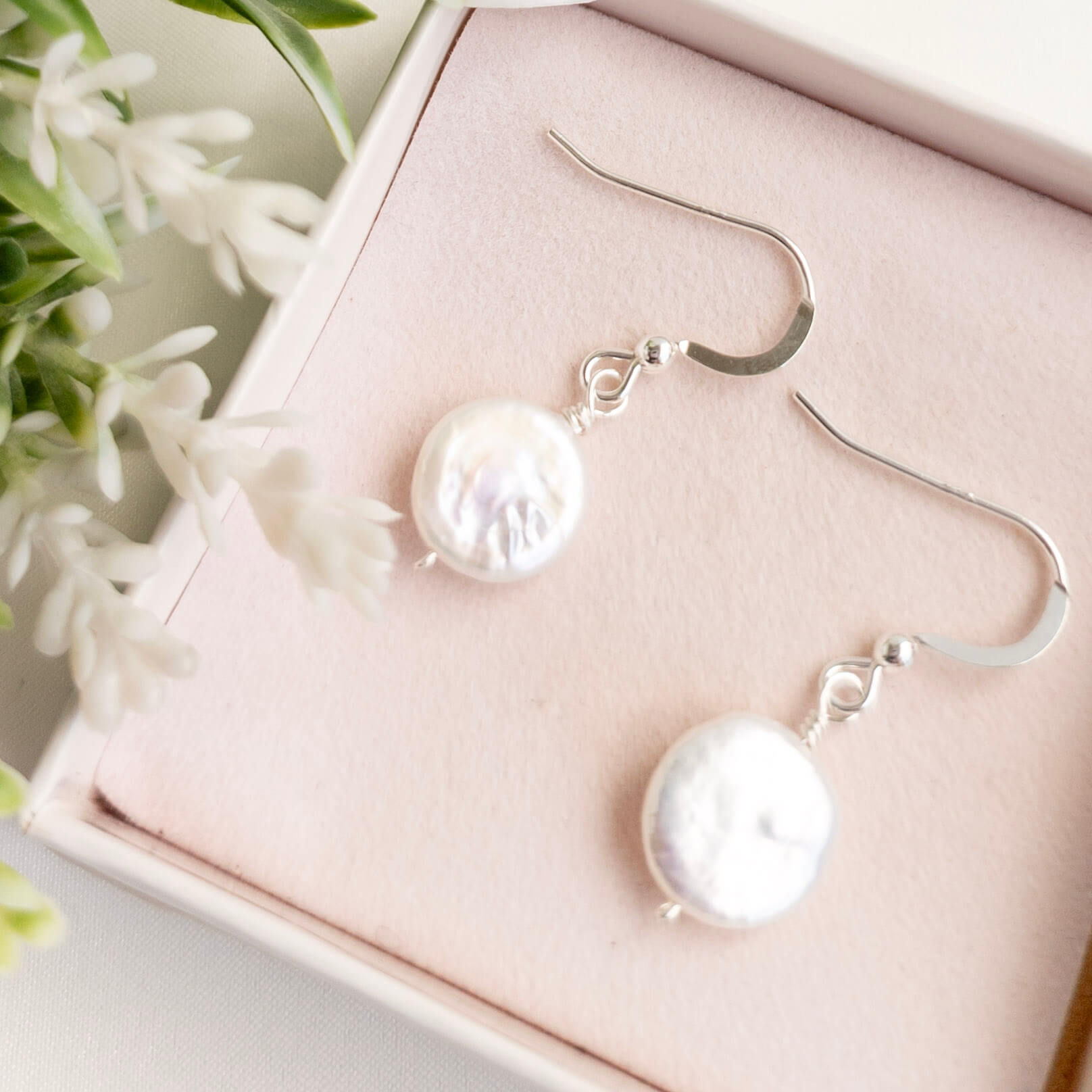
Explore our collection of freshwater pearl jewellery designed for timeless everyday wear.
At Watermeadow Lane Jewellery, I use genuine freshwater pearls because they offer:
Freshwater pearls are perfect for:
When properly cared for and restrung when needed, freshwater pearl jewellery can last beautifully for many years.
Pearl jewellery is designed to be worn, loved and treasured — but like all precious jewellery, it benefits from regular care.
Knowing when to restring your pearls helps protect:
Whether your pearl necklace is worn daily or saved for special occasions, professional pearl restringing helps keep it secure, beautiful and ready to wear for years to come.
At Watermeadow Lane Jewellery, I offer professional pearl restringing services alongside handmade freshwater pearl jewellery designed for every day and special occassions.
Common signs include stretched thread, visible gaps, fraying near the clasp or discoloured thread.
Pearl necklaces worn regularly should usually be restrung every 1–2 years.
Yes. Many pearl necklaces can be professionally restrung and restored.
Absolutely, especially for sentimental or valuable pearl jewellery. See my pearl restringing page for an idea on costs.
Yes. Freshwater pearl necklaces and bracelets can both be professionally restrung.